Injecting Playfulness into Design: A Deep Dive into the Cheese Smile Font
In the vast universe of typography, where serif fonts whisper elegance and sans-serifs shout modernity, there exists a vibrant niche dedicated entirely to joy. Designers often find themselves searching for that perfect typeface that doesn’t just communicate a message but embodies a feeling. This is where Cheese Smile enters the conversation. It is not merely a collection of letters; it is a visual expression of fun, warmth, and approachability. For creatives working on projects that demand a lighthearted touch, understanding the nuances of this display font can transform a good design into a memorable experience.
The Anatomy of Joy in Typography
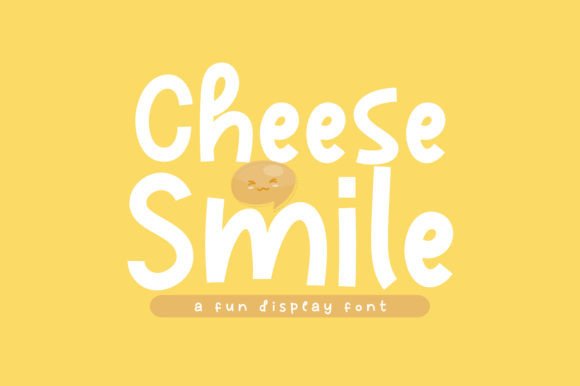
What makes a font "fun"? It is rarely a single characteristic but rather a combination of rounded edges, irregular baselines, and a general sense of movement. Cheese Smile excels in these areas by offering a hand-drawn aesthetic that feels organic rather than mechanically produced. The curves are soft, inviting the eye to glide across the text without the harsh stops associated with more rigid typefaces. This inherent softness is crucial when designing for audiences that include children or when the brand identity relies on friendliness and trust.
Unlike standard geometric fonts that prioritize uniformity, Cheese Smile embraces slight imperfections. These quirks mimic the natural variation of human handwriting, creating an immediate emotional connection with the viewer. When a user sees this font, they do not think of corporate boardrooms or legal documents. Instead, they think of playgrounds, birthday parties, and weekend adventures. This psychological association is powerful. It lowers barriers and makes the content feel accessible and safe.
Perfect Applications for Cartoon and Gaming Projects
The primary domain of Cheese Smile lies in entertainment and youth-oriented media. Consider the world of mobile gaming. The title screen is the first point of contact for a player. If the game is a puzzle adventure or a casual runner, using a stiff, industrial font would create cognitive dissonance. By integrating Cheese Smile, developers signal immediately that the experience will be light, engaging, and stress-free. The font’s bold strokes ensure readability even at smaller sizes, which is essential for UI elements in games where screen real estate is premium.
Similarly, in cartoon-related designs, consistency is key. Characters in animated series or comic strips often have rounded, exaggerated features. A typeface that mirrors these shapes helps unify the visual language. Whether it is for speech bubbles, episode titles, or promotional posters, Cheese Smile complements the artistic style of cartoons without overpowering the illustrations. It acts as a supporting actor that enhances the main performance rather than stealing the spotlight.
Beyond Children: The Strategic Use of Playful Fonts
While it is easy to categorize Cheese Smile strictly as a "kids' font," doing so limits its potential. Modern marketing has seen a significant shift towards humanizing brands. Even companies targeting adults are adopting softer, more approachable visual identities to stand out in a crowded digital landscape. A bakery, a pet care service, or a creative workshop can leverage this font to convey warmth and community spirit.
For instance, imagine a local ice cream shop launching a new summer campaign. Using a cold, minimalist font might suggest sophistication, but it fails to capture the excitement of a sweet treat on a hot day. Cheese Smile, with its bubbly and energetic presence, evokes the sensation of flavor and fun. It suggests that the brand is not taking itself too seriously, which is often exactly what consumers are looking for in leisure industries.
- Educational Materials: Worksheets and learning apps benefit from fonts that reduce anxiety and make learning feel like play.
- Event Invitations: Birthday parties, baby showers, and family reunions require typography that sets a celebratory tone.
- Social Media Graphics: In the fast-scrolling environment of Instagram or TikTok, eye-catching, playful text stops the thumb and engages the user.
Readability and Legibility Considerations
One common concern when adopting display fonts like Cheese Smile is readability. Because it is designed for impact and personality, it is not suitable for long-form body text. Paragraphs of dense information should always be set in a highly legible serif or sans-serif font. However, for headlines, subheaders, call-to-action buttons, and short captions, Cheese Smile performs exceptionally well.
The key is contrast. When pairing this font with others, choose a neutral companion. A clean sans-serif like Helvetica or Open Sans provides a stable foundation that allows Cheese Smile to shine as the accent. This hierarchy ensures that the design remains professional while still injecting the desired personality. Overusing playful fonts can lead to visual fatigue, so restraint is a vital part of the design process.
Integrating Cheese Smile into Modern Design Workflows
In today’s digital-first world, designers work across multiple platforms. A font must be versatile enough to look good on a high-resolution monitor, a smartphone screen, and printed merchandise. Cheese Smile holds up well in these varied contexts due to its thick strokes and open counters. These features prevent the letters from becoming illegible when scaled down or when printed on textured materials.
For web designers, implementing Cheese Smile requires attention to loading times and fallback options. As a display font, it is often used sparingly, which minimizes performance impacts. However, ensuring that the font file is optimized for web use is essential. When used in CSS for headers, it adds a layer of custom branding that standard system fonts cannot match. This small detail can significantly enhance the perceived value of a website, making it feel bespoke and carefully crafted.
Moreover, the rise of no-code design tools has made typography more accessible to non-designers. Entrepreneurs and small business owners can now easily incorporate Cheese Smile into their logos and marketing materials without needing advanced graphic design skills. This democratization of design means that having a distinct, high-quality font like this is more important than ever for establishing a unique brand identity.
Color and Composition Synergies
The personality of Cheese Smile is further amplified by color choices. Pastel shades enhance its softness, making it ideal for baby products or calming wellness brands. Conversely, bright, saturated colors like electric blue or sunshine yellow highlight its energy, perfect for gaming or sports-related content. The font’s structure allows it to handle overlapping elements or background patterns without losing clarity, giving designers freedom in composition.
When arranging text with Cheese Smile, consider white space. Because the letters have a distinct shape, they need room to breathe. Crowding them together can diminish their impact and make the design feel cluttered. Generous padding around headings using this font creates a sense of luxury and ease, reinforcing the positive emotions the typeface is meant to evoke.
Making the Right Choice for Your Project
Selecting a font is one of the most critical decisions in the design process. It sets the tone before a single word is read. Cheese Smile offers a specific tonal quality: unapologetic happiness. If your project aims to inform, warn, or solemnize, this is not the right tool. But if your goal is to entertain, welcome, or delight, it is an excellent choice.
Before finalizing your decision, test the font in various contexts. Print it out. View it on different devices. Ask colleagues for their immediate emotional reaction. Does it feel friendly? Does it feel authentic? If the answer is yes, then Cheese Smile is likely the perfect fit. Remember, typography is not just about reading; it is about feeling. And in a world that can often feel serious and heavy, a font that brings a smile to the face is a valuable asset in any designer’s toolkit.
Ultimately, the power of Cheese Smile lies in its ability to humanize digital and print interactions. It bridges the gap between the creator and the audience with a shared sense of whimsy. By understanding its strengths and applying it with intention, you can create designs that not only look good but also feel good. That is the true mark of effective communication.